
No-foam original panels
If your door is original or close to it, you're looking at a panel with no foam core, a spring setup that depends on a stretched coil rather than a wound shaft, and hinges sized for a lighter door than anything sold today.
Zeeland, Holland
Zeeland homes mostly date to the late 1960s, with single-layer steel doors on old extension springs. We install new doors sized for that stock, from our shop in Holland.
Watch-outs
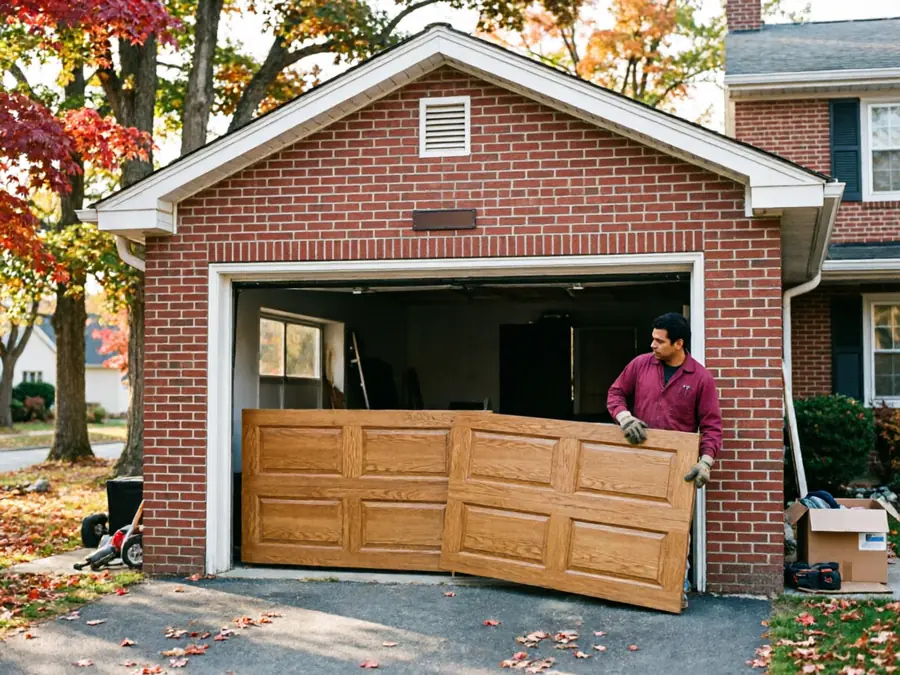
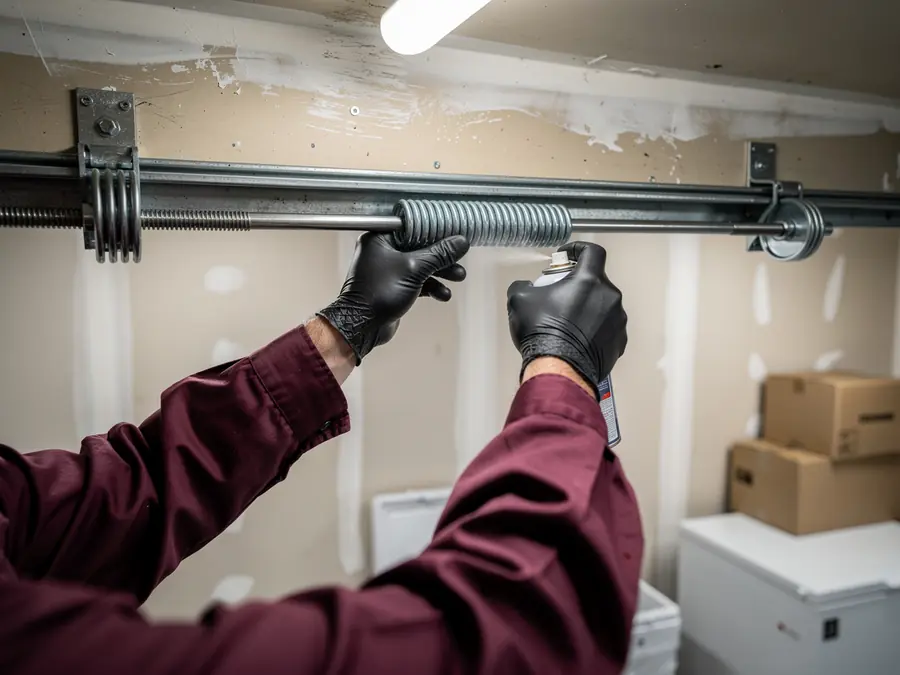
Most houses in Zeeland went up around 1969, right in the middle of the run when steel doors were single-layer, uninsulated, and hung on extension springs mounted along the horizontal track instead of the torsion hardware that's standard now.
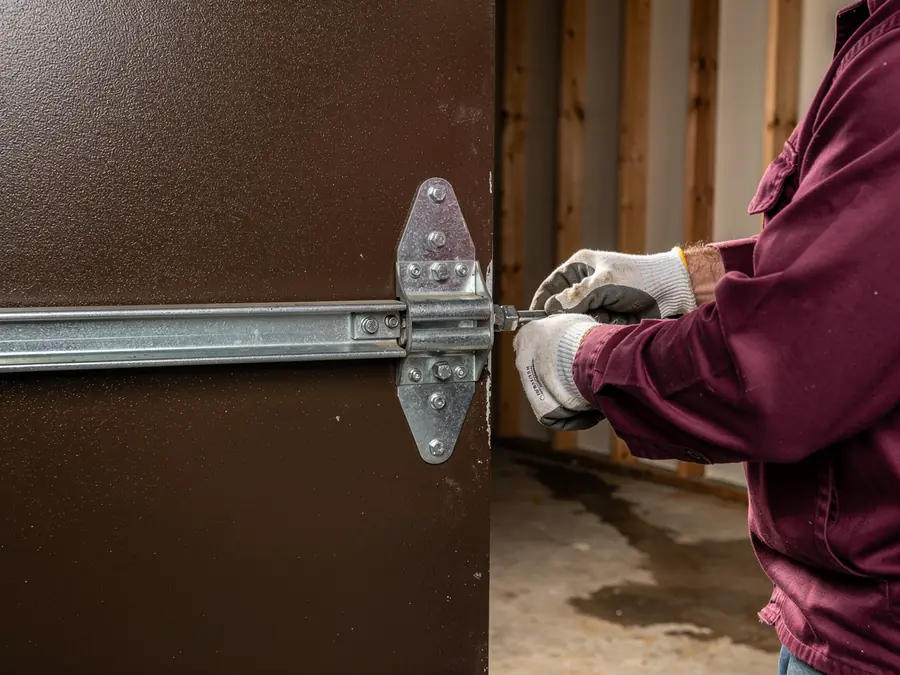
If your door is original or close to it, you're looking at a panel with no foam core, a spring setup that depends on a stretched coil rather than a wound shaft, and hinges sized for a lighter door than anything sold today.
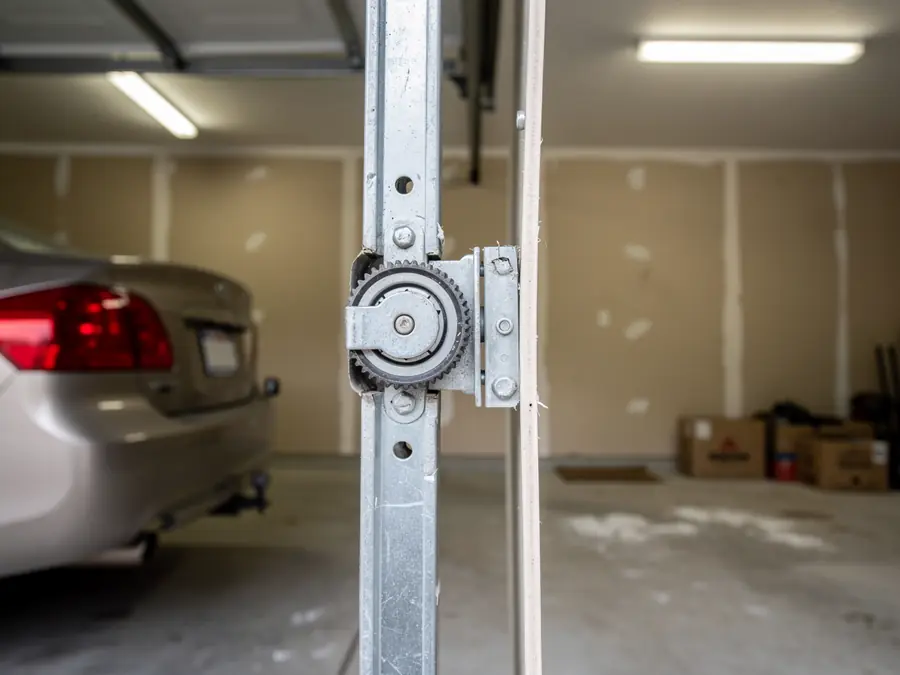
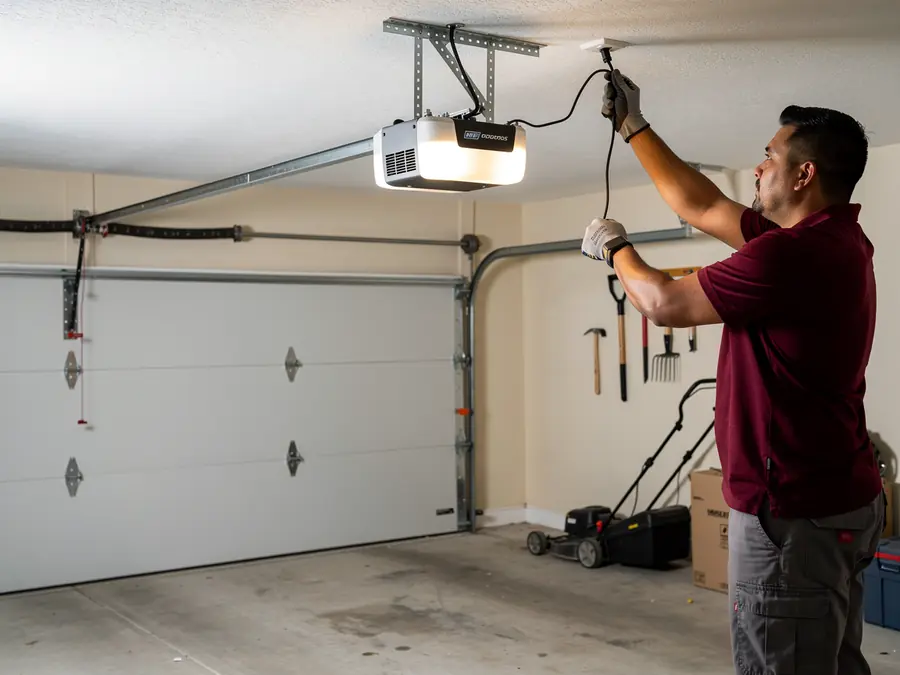
That matters for a new install because the opening itself usually hasn't moved, but the jamb and header framing behind it were built for the thinner, lighter unit of that era. Swap in a modern insulated door without checking the header for the added weight, and you can end up with a track that binds or an opener straining against a door it wasn't sized for.
With roughly 2,575 households in Zeeland, most of them from that same post-60s wave, the openings we run into are a narrow, predictable set of sizes and framing styles. That's useful - it means we're rarely guessing at what's behind the trim - but it also means the old extension-spring brackets and lightweight hinges almost never get reused. They go in the truck, not back on the wall.
Job timing
Zeeland sits about 5 miles from our shop in Holland, so a new-door install here is a short trip, not a special trip - we don't keep a branch or a depot in Zeeland, we run the crew and the door out from Holland the same as any other job in the territory. The drive doesn't add real time to the work itself.
What does add time, on a house from this era, is the framing check before the new door goes in. On a straightforward swap - same size opening, header already sound - a single door install is usually a one-visit job. If the jamb needs shimming or the header needs reinforcing to carry a heavier insulated panel, that's additional work we'll flag before we start, not something we paper over to finish fast.

The repair
Zeeland sits in the same severe-cold band as the rest of our territory, so an uninsulated door from the 1960s wave is cheap to build but miserable to live with - it radiates cold into an attached garage all winter and does nothing to buffer the wall it shares with the house.
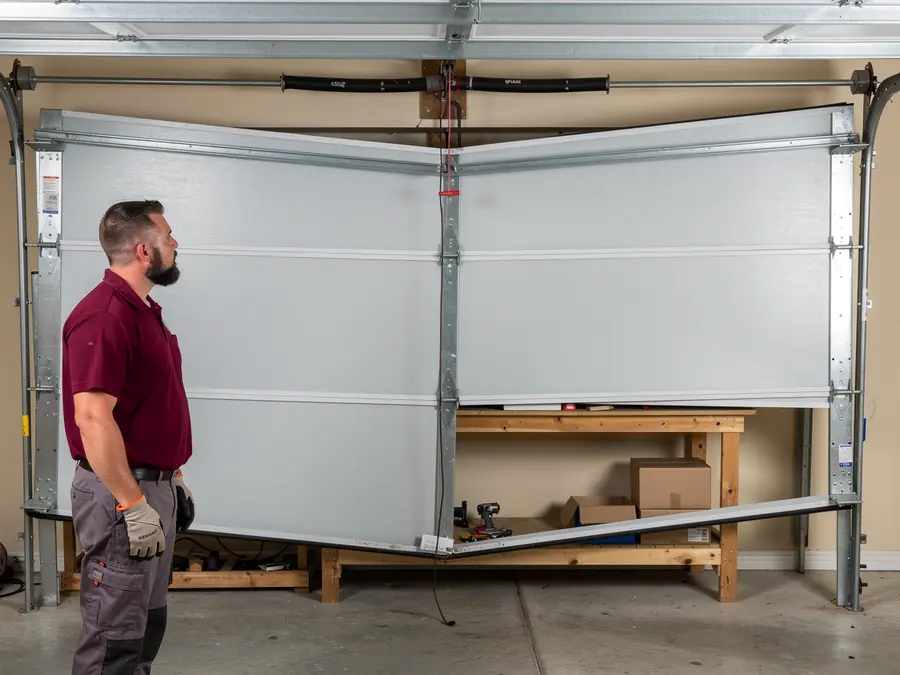
A new install here almost always means stepping up to an insulated panel, sized and weighted to the opening, with torsion spring hardware calculated for that specific door rather than reused from the old extension-spring setup. The honest limitation: we can't always reuse the existing track or header hardware.
On a lot of these older openings the jamb has settled slightly over fifty-plus years, and if it's out of square by more than a small margin, that's carpentry work on top of the door install - not included in a standard swap, and not something we'll quietly skip. We'll tell you up front if your opening needs that extra step before the new door goes in.
Pricing
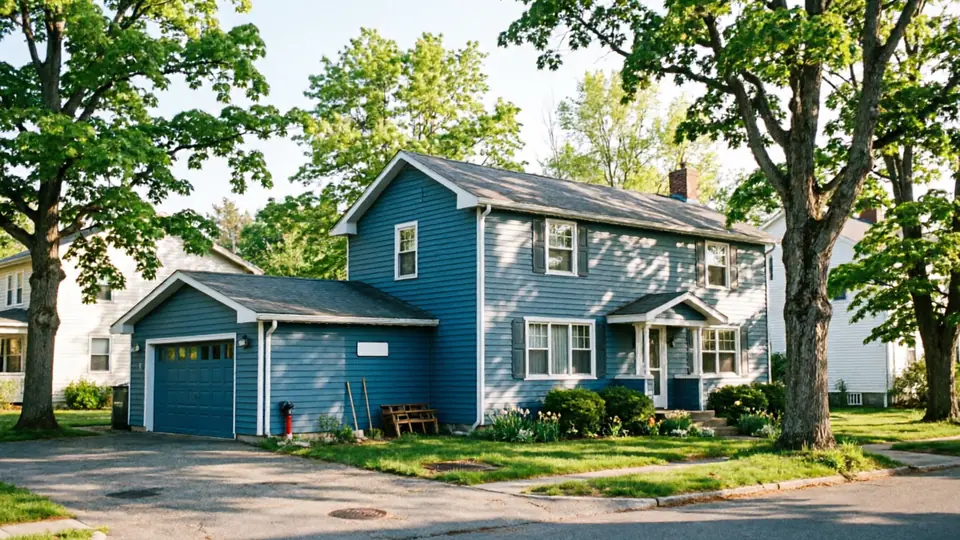
We don't quote a flat number for installs sight unseen, since the framing condition on a house from this era is the variable that actually drives cost - a clean swap into a sound opening costs less than one that needs header or jamb work first. Median household income in Zeeland runs around $49,367, noticeably under the $82,307 median across our wider service area, and that's part of why a straight insulated steel door without added glass or decorative hardware remains the most common install we do here, rather than the higher-end panel lines that sell more often elsewhere in the territory.
We'll walk the opening, tell you what the framing can take, and price the door and the labor separately so you can see what's driving the number.
Questions
In most of Zeeland, yes - houses from that era were built to a narrow range of standard opening widths, which is why we rarely run into an oddball size here. What varies more is the framing condition behind the trim, which we check before quoting the install.
Usually not. Houses from Zeeland's main building era were commonly fitted with extension springs along the horizontal track, and a new insulated door is heavier and sized for torsion hardware instead. We install new spring hardware matched to the new door's weight.
No. We run installs in Zeeland from our shop in Holland, about 5 miles away. There's no separate depot here - the same crew and truck that handle Holland jobs handle Zeeland.
Houses built around 1969 were framed for the lighter, uninsulated doors common then. A modern insulated door weighs more, and if the header or jamb has settled over the decades, it may need reinforcing before the new door can hang correctly. We check this before the install, not after.
Explore more
Ready when you are
Holland Garage Door Pros repairs and installs garage doors, springs and openers in Holland, MI and the surrounding area.