Blog
Garage Doors Built for Holland's Housing Stock and Winters
Holland Garage Door Pros works on the 1960s-70s housing stock common across Holland, MI, where original hardware wasn't built for severe cold-climate winters.
What You Pay
We don't post a price list because what a job costs depends on what's actually on your house, not a zip code. A torsion spring swap on a door with standard hardware is a different job than one on a door where the track, drum, and cable are all original to a house built decades ago and nothing matches current stock sizes. Across the service area the median household income sits at $82,307, and most of the 24,045 owner-occupied houses we could end up working on were built somewhere between 1943 and 2002, with the bulk going up in the 1960s and 70s. That age spread matters more than any single number we could quote you here, because a 1970s door assembly and a 1995 door assembly aren't interchangeable parts-wise, even if they look similar from the driveway. We give a real number after we've looked at the door, the opener, and the tracks in person. One honest limitation: if your springs, drums, and track are all original and mismatched to anything currently made, we may tell you replacement is the better money than patching a system that's going to need the next part in six months anyway.
What Is Going On
Walk the 14 named areas that make up this market and you'll find the same story on repeat: housing stock concentrated in the 1960s and 70s, with outliers reaching back to 1943 and as recent as 2002. That range means three generations of door hardware are still in service on the same streets. Older one-piece and early sectional doors from that first wave often ride on hardware nobody manufactures anymore - different spring wind, different drum diameter, sometimes a different track gauge entirely. A tech who only knows modern doors will try to force a current part onto 1960s hardware and make the problem worse. The failure patterns we see most are springs that have simply outlived their cycle count, rollers that have worn their track grooves wide, and openers original to a house that are now pushing 30-40 years old and were never built to talk to a smartphone. None of this is dramatic. It's just metal fatigue on a predictable schedule, and the schedule for this housing stock runs earlier than it would in a newer subdivision, because the doors are, on average, older.
When to Get Help
A door that reverses on its own before touching the floor, a cable that's frayed or has jumped the drum, or a spring that's visibly separated - those aren't wait-and-see situations. Stop using the door and call. A door that's noticeably heavier to lift by hand than it used to be is almost always a spring losing tension, and that's a job for someone who knows how to safely release a wound torsion spring, not a DIY afternoon. Slower signs are easier to ignore: an opener that strains and takes longer to close, a track that's developed a visible kink, hinges that have worked loose enough to let a panel flex. On the older end of this area's housing stock - anything from that 1960s-70s wave - we also watch for hardware that's been patched one too many times with parts that don't quite match, which tends to fail again sooner than a clean replacement would. If a door is original to a house from that era and has had three or four repairs already, we'll tell you straight when fixing it again isn't the better move over replacing it.
How Local Conditions Play In
This area sits in a severe cold climate band, and that shows up in specific ways on a garage door rather than as a vague seasonal inconvenience. Steel contracts in deep cold, which tightens tolerances on tracks and rollers that were already adjusted for summer heat - that's why doors that ran quiet in July start grinding or binding in January. Torsion springs lose a measurable amount of lifting power as temperature drops, so a spring that was marginal in fall can fail outright on the first hard cold snap. Standard petroleum-based lubricants also thicken in severe cold, which is part of why we don't recommend WD-40 as a long-term track lubricant here - it's fine as a cleaner, not as the product that keeps rollers moving through a Michigan winter. None of this is unique to one house; it's a function of the climate band this whole area sits in, and it means winter is when old hardware - especially hardware already pushing toward end of service life from this area's 1960s-70s housing stock - tends to pick the worst week to fail.
Questions
Common questions
Why does my garage door get hard to lift only in winter?
Cold steel and cold springs both lose a bit of flex and tension as temperatures drop, which is common in this severe cold climate band. A spring that was already near the end of its cycle life often shows it first in January rather than June, because the lifting power it has left is lower exactly when the metal is tightest.
My house was built in the 1960s - is my door hardware still standard?
Not always. A lot of the housing stock here dates to the 1960s and 70s, and some of that original hardware - spring winds, drum sizes, track gauges - isn't what's stocked today. We check what's actually on the door before quoting a repair, since forcing a modern part onto older hardware usually causes a repeat failure.
Do you give prices over the phone?
Not real ones, because the housing stock in this area spans six decades of different hardware, and a fair price depends on what's actually installed. We'll give you a straight number after looking at the door, spring, and track in person rather than guessing over the phone.
Recommendation
You Might Also Like
More garage door guides for Holland homeowners.
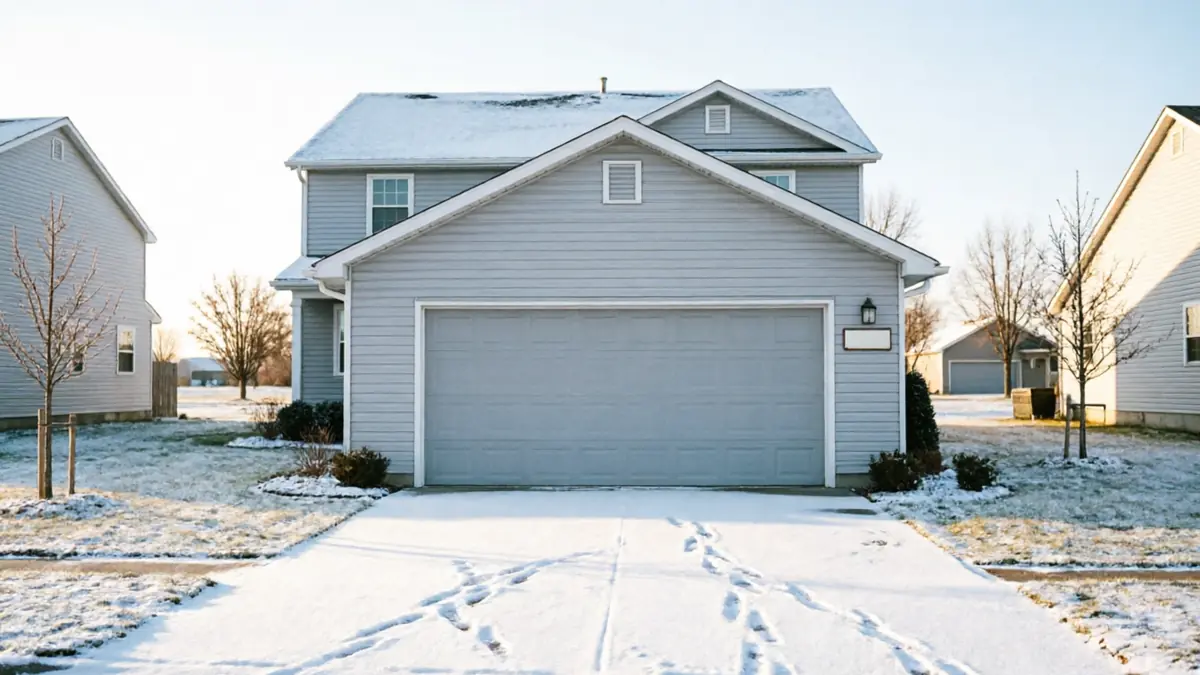 Is Your Older Garage Door Worth Fixing
Holland homes built 1943-2002 carry original hardware that ages differently in this cold climate.
Is Your Older Garage Door Worth Fixing
Holland homes built 1943-2002 carry original hardware that ages differently in this cold climate.
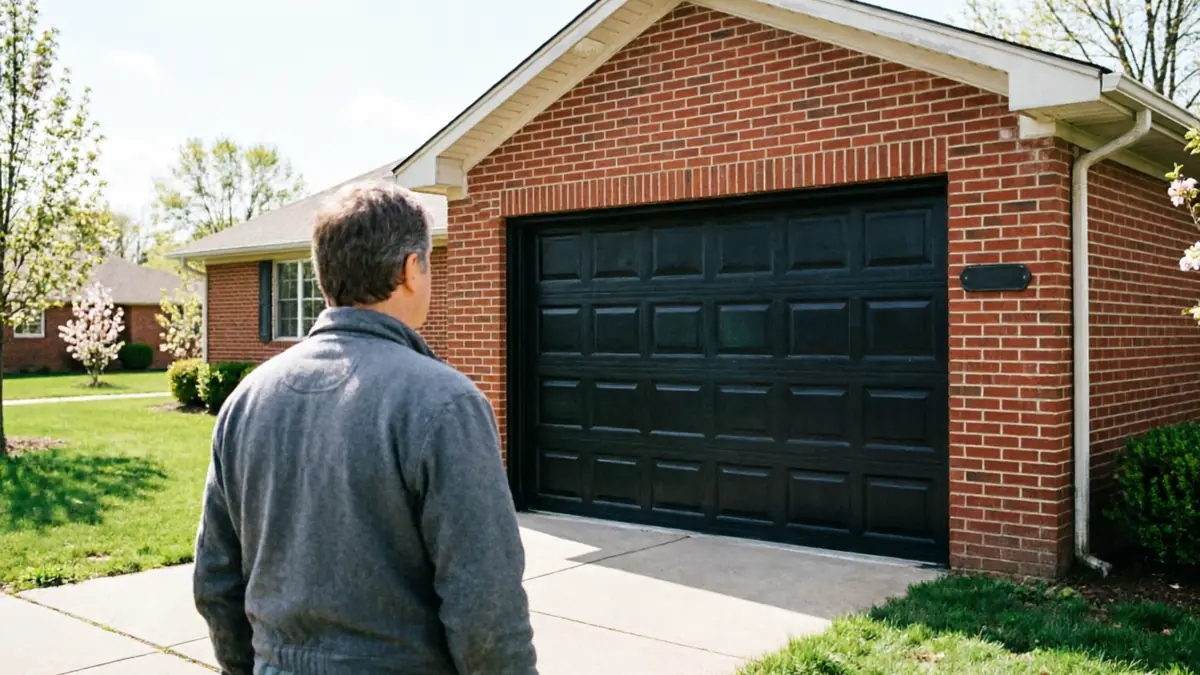 What Happens to Your Opener When the Power Goes Out in Holland
How Holland's 1960s-70s housing stock and cold winters affect garage door openers, battery backup, and manual release during power cuts.
What Happens to Your Opener When the Power Goes Out in Holland
How Holland's 1960s-70s housing stock and cold winters affect garage door openers, battery backup, and manual release during power cuts.
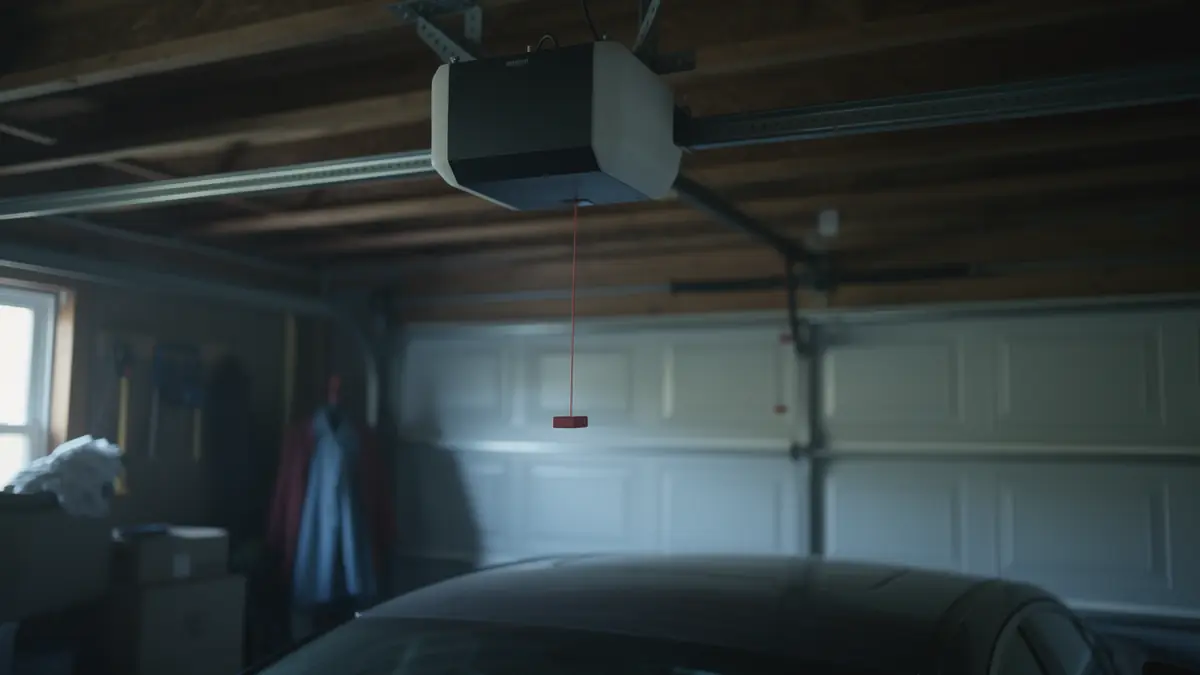 What Springs, Openers, and Cold Actually Cost You in Holland
Holland homes mostly date 1960s-70s with some back to 1943, and the cold climate here is hard on original hardware.
What Springs, Openers, and Cold Actually Cost You in Holland
Holland homes mostly date 1960s-70s with some back to 1943, and the cold climate here is hard on original hardware.
Ready when you are
Need a garage door sorted in Holland?
Holland Garage Door Pros repairs and installs garage doors, springs and openers in Holland, MI and the surrounding area.