Blog
What Springs, Openers, and Cold Actually Cost You in Holland
Holland homes mostly date 1960s-70s with some back to 1943, and the cold climate here is hard on original hardware. Here's what that means for your wallet.
What You Pay
We don't publish a flat number here because what you pay depends on what's actually wrong, and in Holland that's often tied to the age of the house. A lot of the stock in this service area went up between 1943 and 2002, with the median landing around 1978 - and most of the 14 named areas we work in are thick with 1960s and 1970s construction. That matters because a torsion spring, a set of rollers, or an opener gear from that era is rarely a drop-in part; it's a job that takes measuring, sometimes adapting newer hardware to an old track width.
Newer builds, especially anything from the 1990s or later, usually take standard parts and the job goes faster and cheaper. Older ones take longer because the tech has to work around hardware nobody manufactures anymore. We quote after we see the door, not before, because guessing on a 50-year-old track system is how you end up either overcharging a simple fix or underquoting a mess.
One honest limit: if your opener is old enough that the circuit board is the failure point, we may not be able to get that exact board. At that point replacement makes more financial sense than chasing a part that doesn't exist anymore, and we'll tell you that instead of stringing out a repair.
What Is Going On
Most garage door calls here fall into two camps: wear from age, and wear from cold. Given the housing stock - built mostly 1943 through 2002, median year 1978 - a large share of doors and openers in this service area are well past the point where original springs and cables were rated to last. Torsion springs are rated in cycles, not years, and a 1970s spring has usually seen that many open-close cycles by now regardless of how well it was maintained.
The second camp is weather-driven. Holland sits in a severe cold climate band, and cold does specific things to garage door hardware: steel springs lose some flexibility and are more likely to snap under load, lubricant in rollers and hinges thickens and makes the opener work harder, and rubber seals at the bottom of the door shrink and let more air through. None of that is unique to one house - it's a function of the climate band this whole area sits in.
When a spring goes in cold weather, it's usually not a coincidence. The spring was likely near the end of its cycle life anyway, and a cold snap is what finally puts it over the edge.
When to Get Help
Call before the door is stuck, not after. A spring that's starting to go usually gives warning: the door feels heavier when you lift it by hand, the opener strains and makes a louder motor sound than usual, or the door shudders partway through its travel instead of moving smoothly. Any of those, especially on a house from the 1960s-70s era that makes up most of this area's housing, is worth a call before the spring snaps with the door halfway up.
A door that won't open at all, or one where a cable has clearly come off a drum, is not a DIY job - torsion springs under tension can hurt you badly if you don't know what you're doing. That's not scare talk, it's just the physics of a coiled spring under load.
If the door is just noisy but still moves fine, that's a maintenance call, not an emergency one. We don't recommend paying for an after-hours visit for a squeaky roller. Save the urgent call for when the door is actually stuck, off its track, or a spring has visibly broken.
How Local Conditions Play In
The cold band this area sits in changes maintenance timing more than most homeowners expect. Lubricant that works fine in a 60-degree garage can gum up and slow the opener down once temperatures drop hard for a stretch, and that extra strain on the opener's gears is a common reason motors burn out early on older units. If your opener is original to a house built in the 1960s or 70s, it's already working with less margin than a new one would.
Steel contracts in the cold too, which is part of why tracks can bind or doors can bind ajar during a hard freeze - the track-to-roller clearance that was fine in August gets tighter in January. This isn't unique to any one house in the area; it's a function of the severe cold band the whole service area sits in.
We don't have weather-event data specific to any single storm or season to point to here, so we won't claim this year was worse than last. What we can say is that the climate band itself, combined with a housing stock that's mostly 40 to 60 years old, is the actual reason winter calls run heavier than summer ones in this area.
Questions
Common questions
Why does my garage door get harder to lift every winter?
Cold stiffens steel springs and thickens lubricant in rollers and hinges, so the opener has to work harder to do the same job. On an older torsion spring that's already near the end of its cycle life, that extra winter load is often what finally causes a break.
Is my opener too old to repair?
If the house dates to the 1960s or 70s, which is common in this area, the opener may be original equipment with a circuit board that's no longer made. We'll check before quoting a repair - if the part doesn't exist, replacement is the honest answer, not a repair we can't finish.
Do you give a price over the phone?
Not usually. A repair on an older torsion system can run longer than on a newer standard one, and we'd rather look at the actual door than guess. We quote on site once we see what we're working with.
Should I replace my door's seal before winter?
If the rubber seal at the bottom is cracked or shrunk, yes - it's a cheap part compared to the heat loss and moisture it lets in during a severe cold stretch. It's one of the easiest things to check yourself before calling anyone out.
Recommendation
You Might Also Like
More garage door guides for Holland homeowners.
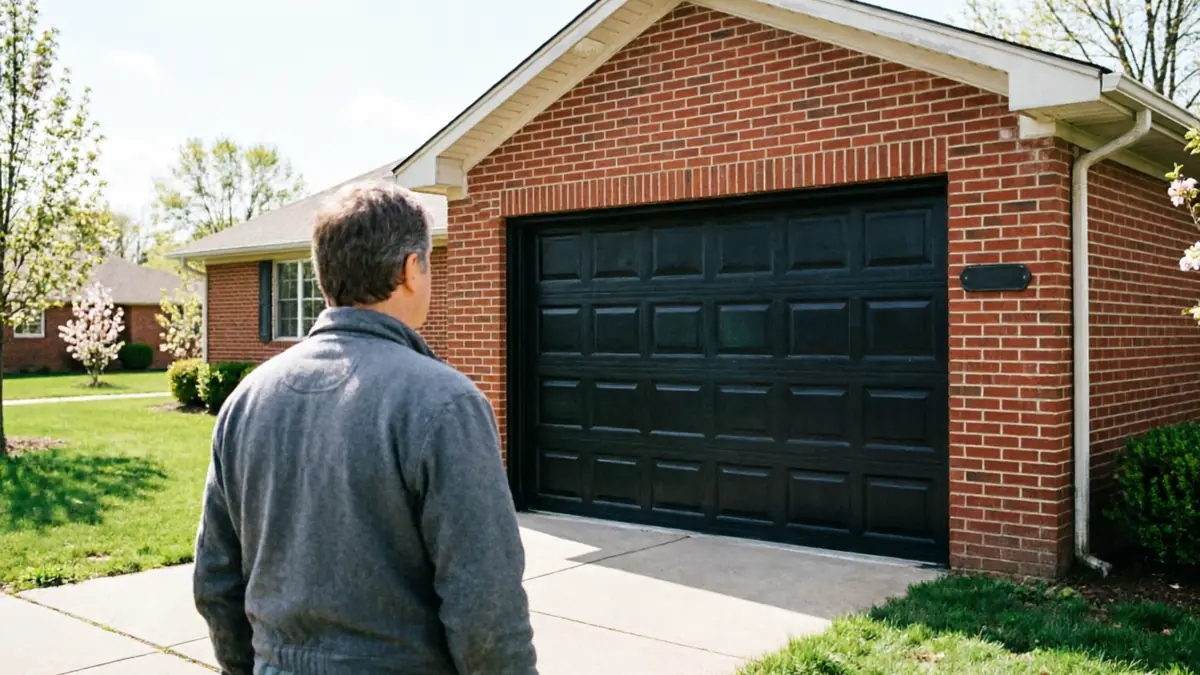 What a Service Call Actually Covers in Holland
Holland homes mostly date to the 1960s-70s boom, and the cold off-lake winters wear springs and openers fast.
What a Service Call Actually Covers in Holland
Holland homes mostly date to the 1960s-70s boom, and the cold off-lake winters wear springs and openers fast.
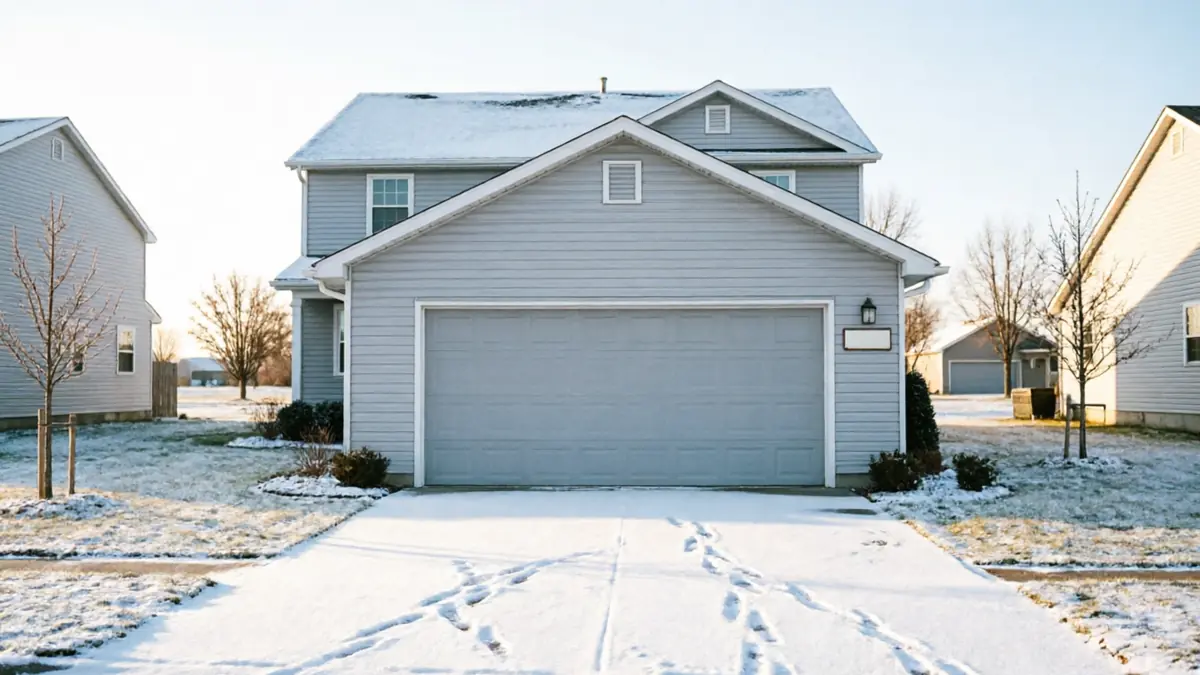 Is Your Older Garage Door Worth Fixing
Holland homes built 1943-2002 carry original hardware that ages differently in this cold climate.
Is Your Older Garage Door Worth Fixing
Holland homes built 1943-2002 carry original hardware that ages differently in this cold climate.
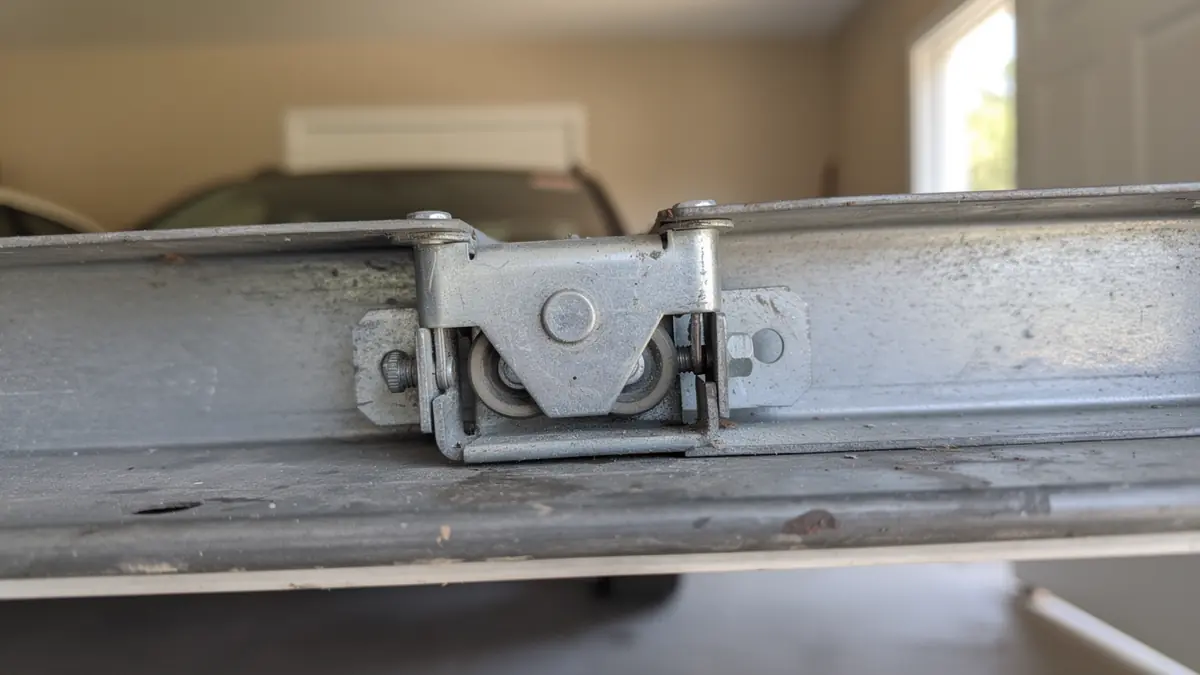 Garage Doors Built for Holland's Housing Stock and Winters
Holland Garage Door Pros works on the 1960s-70s housing stock common across Holland, MI, where original hardware wasn't built for severe cold-climate winters.
Garage Doors Built for Holland's Housing Stock and Winters
Holland Garage Door Pros works on the 1960s-70s housing stock common across Holland, MI, where original hardware wasn't built for severe cold-climate winters.
Ready when you are
Need a garage door sorted in Holland?
Holland Garage Door Pros repairs and installs garage doors, springs and openers in Holland, MI and the surrounding area.