
Failing door triggers replacement
Replacement starts making sense when the door itself is failing: panels rusted through at the bottom, a steel skin separating from its frame, or an opener that's cycling through its third circuit board.
Beechwood, Holland
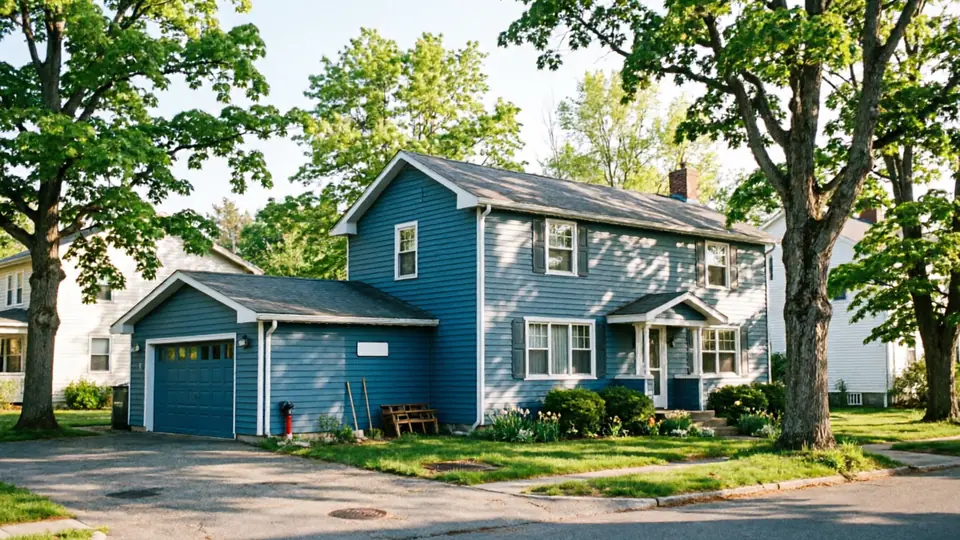
Garage door repair and replacement in Beechwood, MI, where median income sits at $68,484 and most houses date to the early 1970s. Call from Holland, 2 miles out.
Job timing
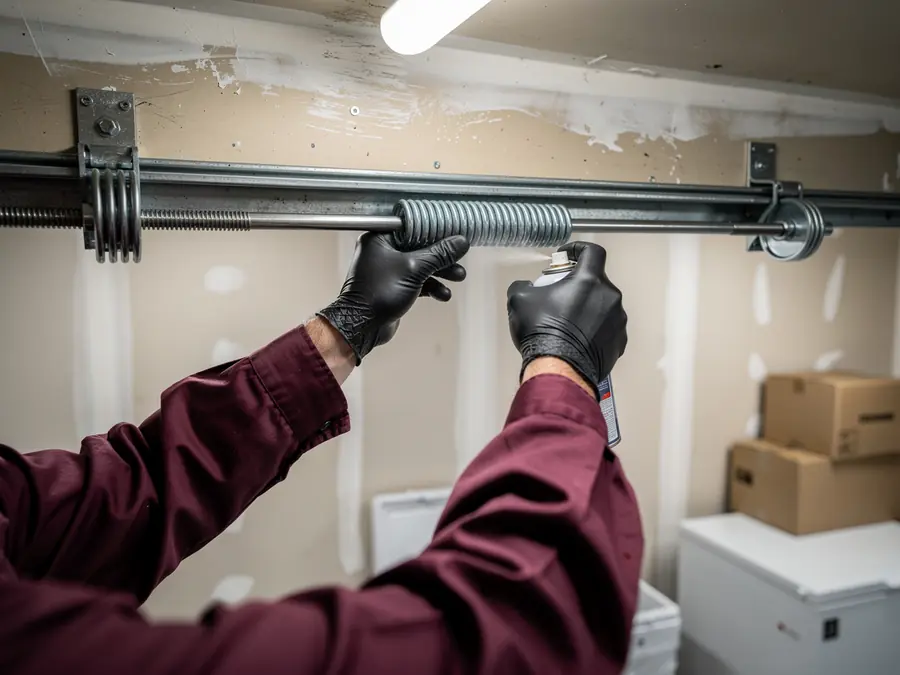
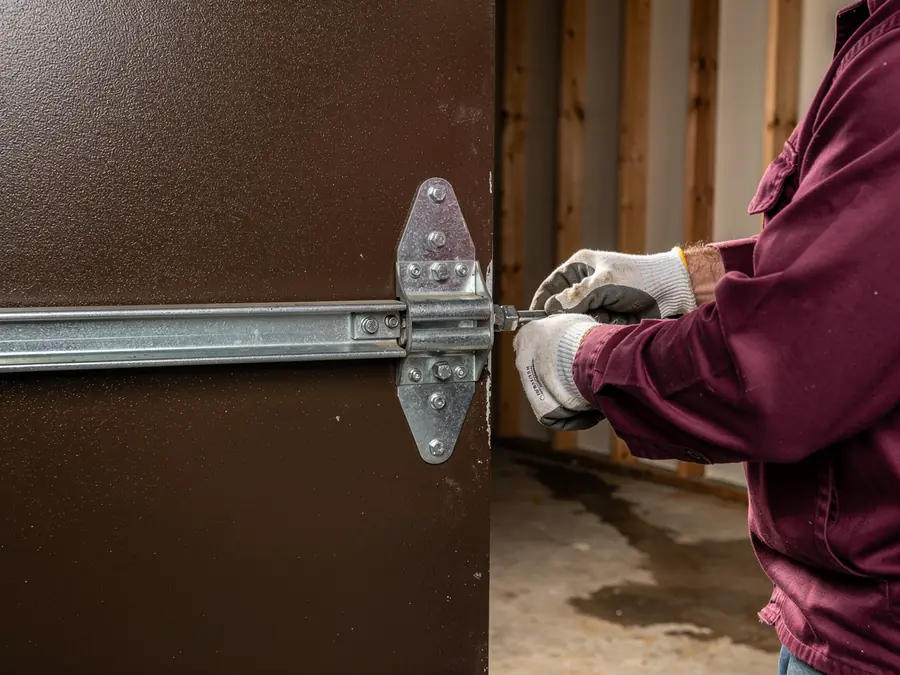
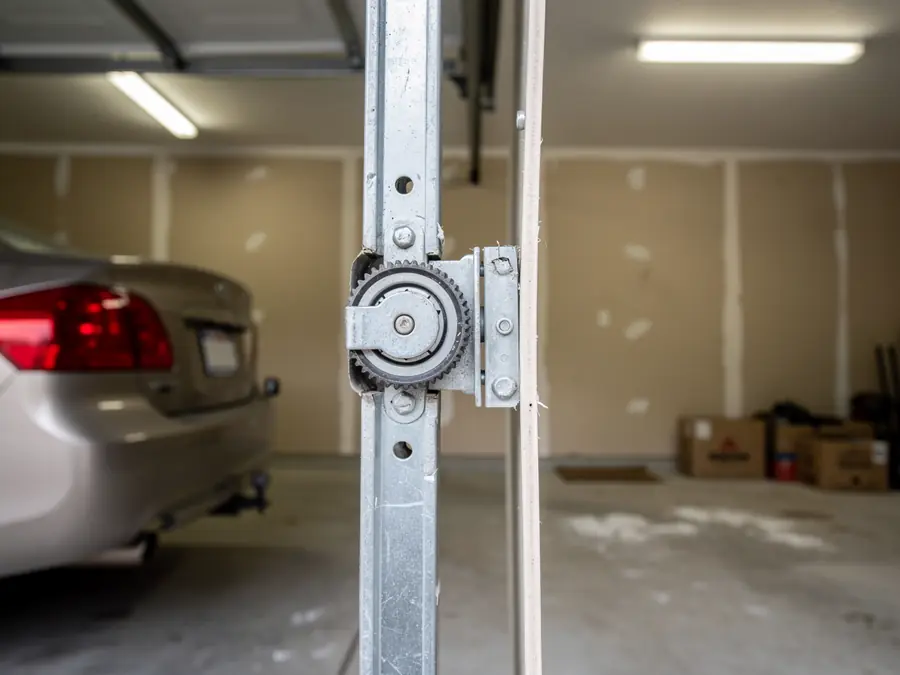
We run out of Holland, and Beechwood sits about 2 miles from the shop, so there's no long haul involved in getting a truck to your driveway. That short distance doesn't mean much about the work itself, though - what matters is what's actually on the house when we get there. Beechwood's housing stock centers on 1973, which puts most doors and openers here squarely in the era of steel sectional doors on extension or early torsion spring setups, often paired with the first generation of chain-drive openers that replaced the old swing-up doors. Some of these systems have been swapped out over the decades, some haven't. A job on a door that's never been touched since the house was built runs longer than a job on a door that got a torsion conversion ten years back, because the first one usually means replacing hardware nobody stocks on the truck as a default - brackets, drums, and sometimes the track itself. We bring what covers most of the stock from this build era, but we won't pretend every call is a 45-minute spring swap. Some aren't.
Pricing
Beechwood's median household income is $68,484, noticeably lower than the wider Holland service area's $82,307. That gap matters for the repair-or-replace call. At this income level, a $300-$500 spring or roller repair on a door that's structurally sound is almost always the right move - it buys years of service for a fraction of what a new door costs.
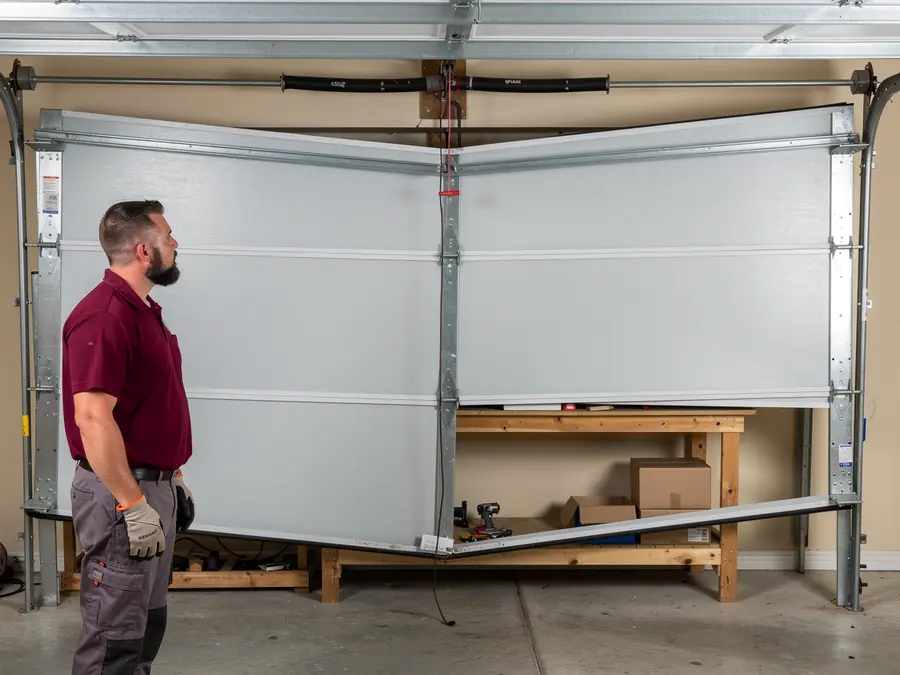
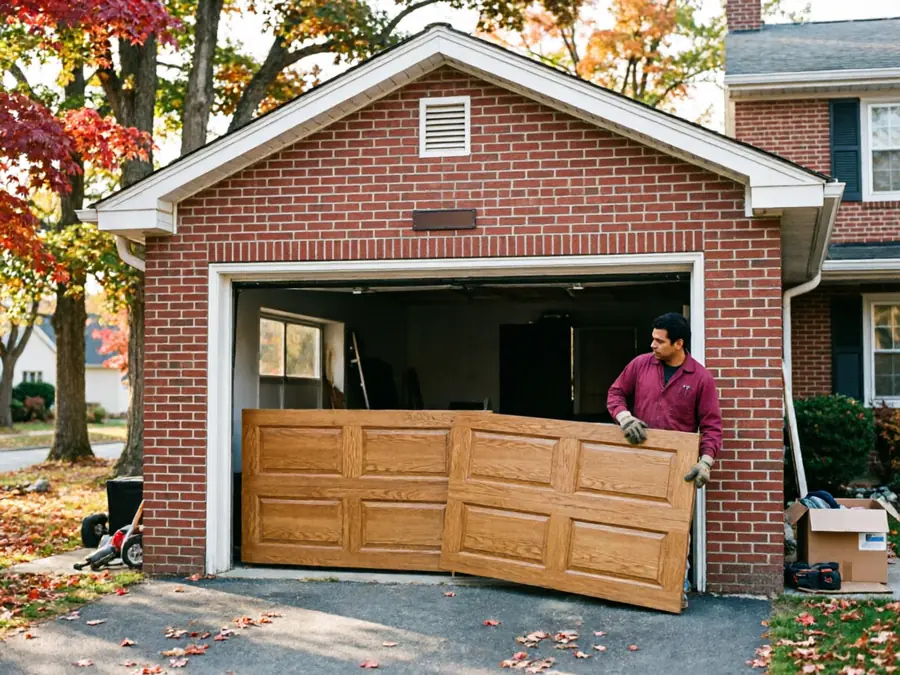
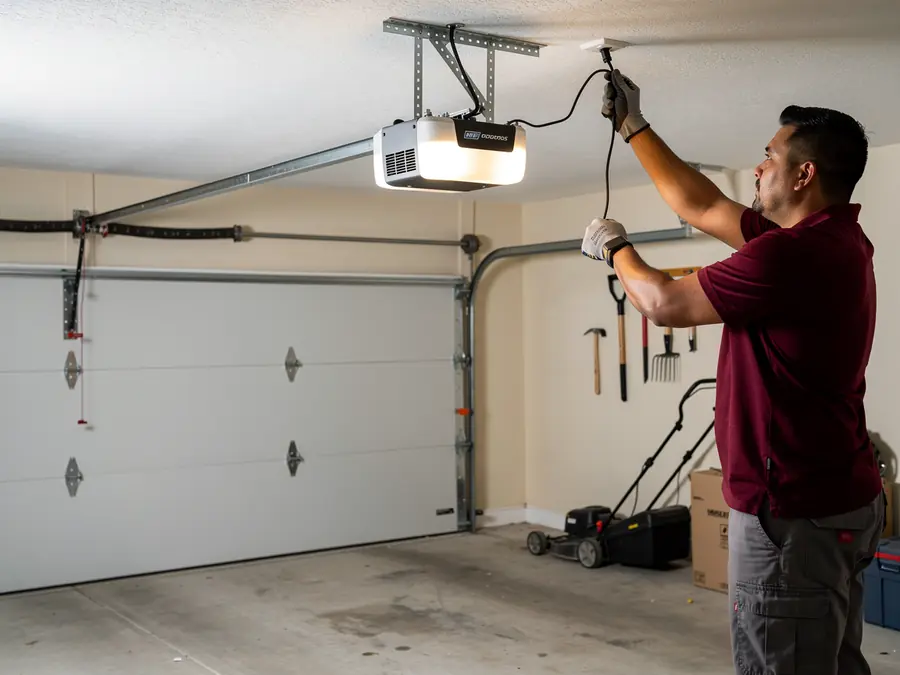
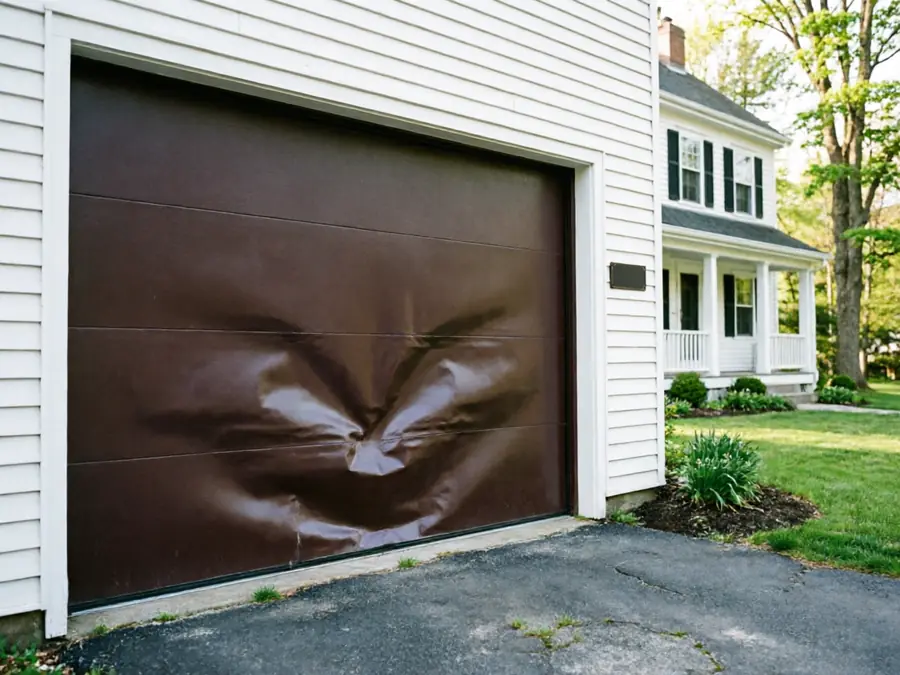
Replacement starts making sense when the door itself is failing: panels rusted through at the bottom, a steel skin separating from its frame, or an opener that's cycling through its third circuit board.
On a house built around 1973, we're often looking at original doors pushing fifty years old, and at that age, the door - not just the spring or opener - can be the actual problem.
We'll tell you straight if a repair is just delaying a bigger bill. We don't carry financing plans or quote fixed prices sight unseen, since every door and every fault is different; what we can promise is an honest answer before we touch anything.
Watch-outs
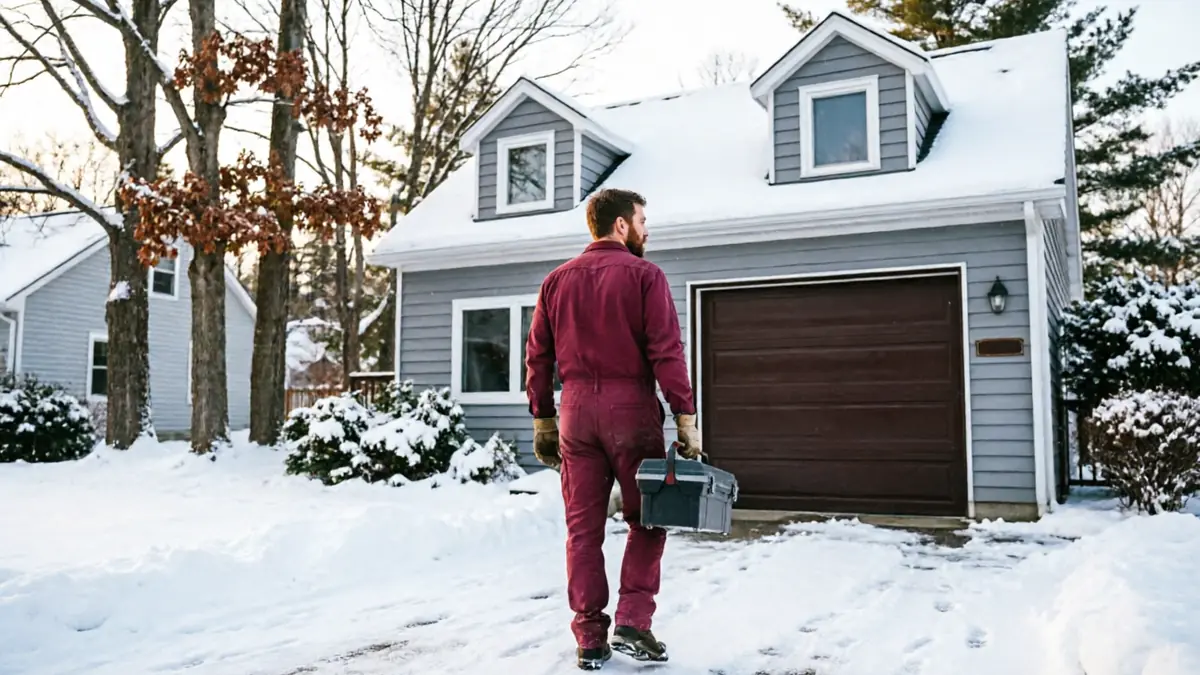
Michigan's cold band is severe, and that shows up differently depending on the age of the door. A 1973-era steel door usually has thin, uninsulated skin and worn weatherstripping that's been replaced piecemeal over the years, if at all.
Cold makes steel contract, and a door that's slightly out of square to begin with gets worse in January - tracks bind, rollers skip, and the opener strains against resistance it was never designed to fight.
We see more broken springs and burnt-out opener motors in the cold months here for exactly that reason: the hardware is working harder than it was built to. Houses in this area that have had a torsion conversion or an insulated door installed since the original build tend to handle the cold fine.
The ones still running original equipment from the early 1970s are the ones that call us in February. If your door shudders or slows noticeably once temperatures drop, that's usually the spring tension fighting cold-stiffened steel, not a sign the opener itself is dying - though it can get there if ignored.
Symptoms
The most common call we get from this area is a door that won't fully close, or one that reverses partway up for no clear reason. On houses from the early 1970s, that's often a safety sensor misalignment on an opener that was retrofitted after the original build - the door itself may be fine, but the photo-eye sensors near the floor track have drifted out of alignment or picked up grime. The second most common issue is a spring that's lost tension gradually rather than snapping outright: the door feels heavier to lift by hand, the opener strains, and eventually it stalls a few inches off the floor. Both are straightforward fixes once we're looking at the actual hardware, but neither is something to diagnose over the phone with confidence, because a door built in 1973 could have any combination of original and replaced parts by now. We'd rather look at it in person than guess.
Questions
About 2 miles. It's one of the closer stops on our route, so getting a truck there isn't the issue - matching parts to whatever's actually installed on a house from this era is usually the bigger factor in how long a job takes.
Often yes, especially given the median income here. A sound door with a failed spring or opener is usually a $300-$500 fix, not a $1,500 replacement. We only recommend replacement when the door panels or frame themselves are failing, not just the hardware.
Cold stiffens steel and tightens spring tension beyond what the hardware was built for, especially on uninsulated doors common to houses built around 1973 in this area. That extra strain is what causes binding, skipped rollers, and burnt-out opener motors in the colder months.
Explore more
Ready when you are
Holland Garage Door Pros repairs and installs garage doors, springs and openers in Holland, MI and the surrounding area.